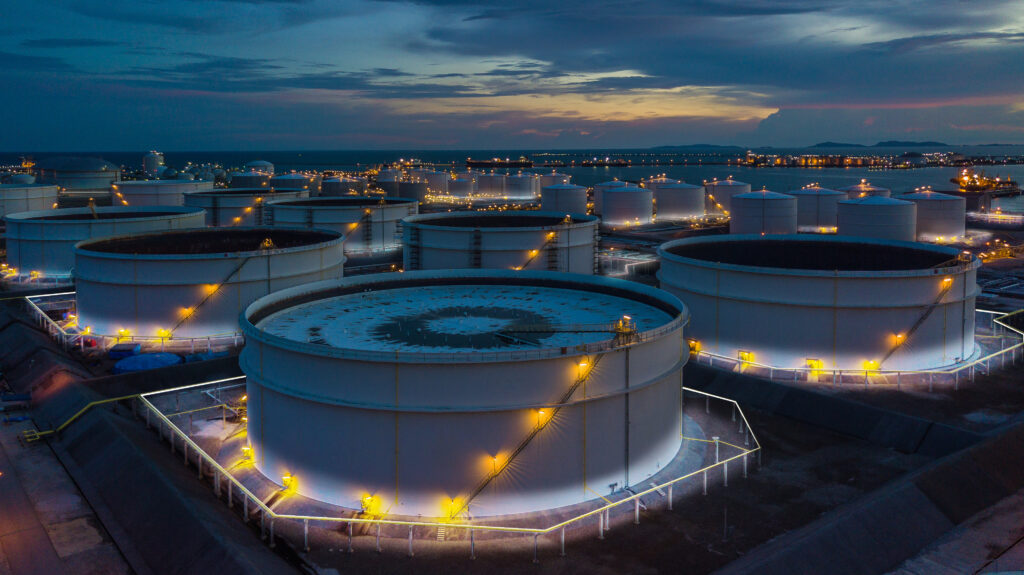

What happens when your lighting fails during a critical offshore operation in a potentially explosive atmosphere?
Most marine lighting solutions crumble under salt spray, vibration, and hazardous gas exposure. But see how the right explosion-proof LED strips transform safety and operations in the world’s most demanding environments.
Key Takeaways
- Learn why standard LED strips fail catastrophically in offshore hazardous areas
- Discover the certification standards that separate compliant solutions from dangerous knockoffs
- Master the selection criteria for choosing strips that survive 20+ years in marine conditions
- Get a step-by-step framework for specifying and installing explosion-proof LED systems
- Access real cost-benefit analysis showing 300% ROI over traditional lighting
The Hidden Dangers of Standard Lighting in Explosive Atmospheres
Your offshore platform operates in a death trap of flammable gases, salt corrosion, and extreme weather. Standard LED strips become ticking time bombs in these conditions.
Salt spray attacks standard LED housings within months. Vibration from drilling operations loosens connections. Temperature swings from -40°F to 140°F crack cheap enclosures. Moisture penetration causes short circuits that can ignite hydrocarbon vapors.
The regulatory landscape adds another layer of complexity. ATEX directives in Europe, IECEx standards internationally, and Class I Division requirements in North America create a maze of compliance requirements. Get it wrong, and you face operational shutdowns, massive fines, and legal liability that extends to equipment specifiers and installers.
Traditional lighting solutions like halogen or metal halide fixtures consume massive power, generate dangerous heat, and require constant maintenance in inaccessible locations. The offshore industry desperately needs lighting that combines safety, efficiency, and reliability – which brings us to the game-changing technology of certified explosion-proof LED strips.
Understanding Explosion-Proof LED Technology and Standards
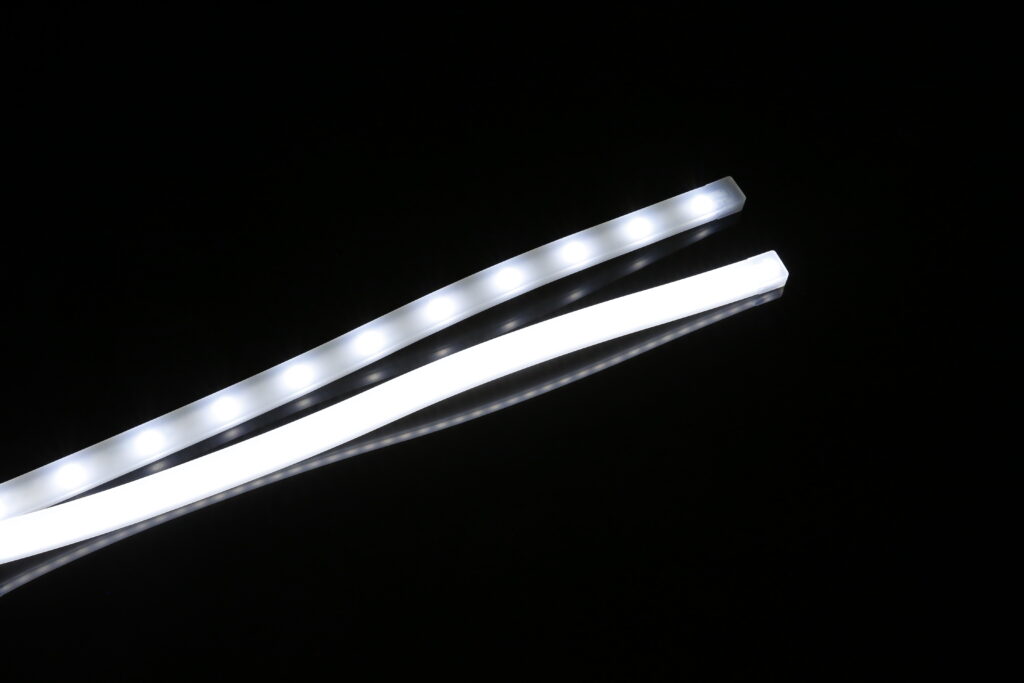
Think of explosion-proof LED strips like a deep-sea diving suit for your lighting system. Just as a diving suit must withstand crushing pressure while keeping the diver alive, these strips must contain any internal explosion while providing brilliant illumination.
The explosion-proof designation doesn’t mean the device prevents explosions – it means the enclosure can contain an internal explosion and prevent it from igniting the surrounding atmosphere. This involves flameproof enclosures with precisely engineered joints that quench flames and prevent hot gases from escaping.
Intrinsic safety represents another protection method where the electrical energy is limited to levels that cannot cause ignition, even during fault conditions.
Zone classification determines your protection requirements. Zone 0 areas have explosive atmospheres continuously present, Zone 1 has atmospheres likely during normal operations, and Zone 2 has atmospheres only during abnormal conditions. Most offshore applications fall into Zone 1 or Zone 2 categories.
Marine-grade explosion-proof LED strips incorporate specialized features like 316L stainless steel housings, silicone gaskets resistant to ozone and UV, and conformal coatings that repel moisture. They must pass rigorous testing including salt spray exposure (ASTM B117), shock and vibration (IEC 60068), and temperature cycling.
The technology has advanced dramatically in recent years. Modern strips achieve 150+ lumens per watt efficiency while maintaining Ex certification. Color temperature options range from warm 3000K for living areas to cool 6500K for technical spaces, and some offer RGB capability for status indication and emergency lighting scenarios.
Now you need to understand how to select the right strips for your specific application and ensure they deliver the performance your operations demand.
Concrete Implementation Steps and Real-World Application
Concrete implementation steps and real-world application
To roll out SafeGlo™ explosion-proof LED strip lighting on a live oil and gas site, treat it like a safety upgrade first, a lighting upgrade second.
Tools you’ll actually use on-site
- Calibrated digital lux meter
- Insulation resistance tester (hazardous-area rated)
- Thermal imaging camera (heat signature check)
- Torque wrench for stainless fasteners
- Certified cable glands and sealing accessories for the zone
- Documentation pack for IECEx/ATEX traceability (serials, certs, test results)
Practical rollout
- Start with a pilot in Zone 2 (100 to 200 linear feet) in a workshop, laydown area, or corridor.
- Validate light levels, temperature, and cable condition, then lock the install standard your team will repeat.
- Scale into Zone 1 only after the pilot passes testing and documentation checks.
Rule of thumb for planning: 2 to 3 days per 100 linear feet, including testing and paperwork.
Worked example, offshore upgrade using SafeGlo™ strips (exact math)
Scope
- Replace 500 linear feet of conventional explosion-proof lighting with SafeGlo™ continuous strip lighting
- Offshore electricity rate used: $0.35 per kWh
- Runtime assumed: 24/7, so 8,760 hours per year
1) Capex comparison (assumption stated)
- Conventional system installed cost: $95,000
- SafeGlo™ system installed cost: $140,000
- Incremental upfront cost = $140,000 − $95,000 = $45,000
2) Power and energy cost
Project claim used: up to 90% power reduction, so SafeGlo™ runs at 10% of the original load.
- Conventional load: 15.0 kW
- SafeGlo™ load: 15.0 kW × 0.10 = 1.5 kW
- Power saved: 15.0 − 1.5 = 13.5 kW
Annual energy cost:
- Conventional: 15.0 × 8,760 × $0.35 = $45,990
- SafeGlo™: 1.5 × 8,760 × $0.35 = $4,599
- Annual energy savings = $45,990 − $4,599 = $41,391
3) Maintenance and inspection savings
Project claim used: 70% reduction in maintenance time.
Assume conventional maintenance and inspection burden (labor, access, downtime admin): $40,000 per year
- SafeGlo™ maintenance: $40,000 × (1 − 0.70) = $12,000 per year
- Annual maintenance savings = $40,000 − $12,000 = $28,000
Also, component inspection points drop from 10 components to 2, that’s (10 − 2) ÷ 10 = 80% fewer inspection points.
4) Total annual savings, payback
- Total annual savings = $41,391 + $28,000 = $69,391
- Payback period (months) = ($45,000 ÷ $69,391) × 12 = 7.78 months
5) 20-year NPV (so finance can sign off)
Assume discount rate 8%, savings stay flat (conservative enough for a first pass).
- Present value annuity factor: (1 − 1.08⁻²⁰) ÷ 0.08 = 9.8181
- 20-year NPV = −$45,000 + ($69,391 × 9.8181) = +$636,291
6) Install time impact
Project claim used: 60% faster installation
If the conventional job takes 12 days, SafeGlo™ schedule becomes 12 × (1 − 0.60) = 4.8 days (call it 5 days with site reality)
Navigating Complex Certification Requirements and Edge Cases

The certification landscape for explosion-proof LED strips creates a minefield of compliance challenges that can derail projects and expose you to significant liability.
Different global standards often conflict. ATEX certification allows equipment use in European waters, while IECEx provides international recognition. However, some countries require local certification regardless of international approvals. Norway, for example, mandates additional Petroleumstilsynet approval for offshore installations.
Gas group compatibility presents another trap. IIA gases like propane require different protection than IIC gases like hydrogen. Mixed atmospheres demand the most restrictive classification. Many offshore platforms handle multiple hydrocarbon types, requiring IIC-rated equipment even when methane (IIA) predominates.
Retrofit installations face unique challenges. Existing cable trays may lack adequate bonding for fault current paths. Legacy control systems might not provide proper isolation. Old mounting structures could introduce vibration that exceeds equipment ratings. Each situation demands custom engineering analysis.
Inspection and maintenance schedules vary dramatically based on application. Zone 0 installations require continuous monitoring and annual detailed inspections. Zone 2 areas might need only biannual checks. However, marine environments accelerate degradation, often requiring more frequent inspections regardless of zone classification.
If your platform operates in international waters, determine which flag state regulations apply. Some operators assume they can use the most lenient standards, but insurance companies and certification bodies often demand compliance with the most stringent applicable requirements.
The emerging challenge involves cybersecurity for smart LED systems. Connected strips that provide remote monitoring and control introduce cyber attack vectors into safety-critical systems. This intersection of operational technology and information technology requires specialized expertise that traditional lighting contractors rarely possess.
Advanced Resources and Strategic Next Steps
Your success with explosion-proof LED strips depends on building relationships with the right suppliers, certification bodies, and technical experts who understand marine hazardous area applications.
Primary Certification Bodies and Standards Organizations:
- IECEx (International Electrotechnical Commission): Global certification scheme providing mutual recognition
- ATEX Notified Bodies: European compliance pathway for equipment and installations
- UL (Underwriters Laboratories): North American testing and certification for hazardous locations
- DNV GL: Marine classification and offshore safety expertise
Advanced Technical Resources:
- API RP 2003: Protection Against Ignitions Arising Out of Static, Lightning, and Stray Currents
- IEC 60079 Series: Complete technical standards for explosive atmospheres equipment
- NFPA 497: Recommended Practice for Classification of Flammable Liquids and Gases
- ISO 13702: Petroleum and Natural Gas Industries – Control and Mitigation of Fires and Explosions
Specialized Suppliers Worth Investigating: Focus on manufacturers with marine heritage and offshore track records. Companies that understand the unique challenges of salt spray, vibration, and extreme temperature cycling. Look for suppliers offering 24/7 technical support and global spare parts networks – critical when your platform operates thousands of miles from shore.
Selection Criteria for Technical Partners: Choose suppliers who provide complete documentation packages including installation manuals, maintenance schedules, and spare parts lists. Verify they maintain technical support staff with hazardous area certification and offshore experience. Request references from similar applications and conduct site visits to validate performance claims.
Advanced Implementation Strategies: Consider modular approach where you can expand systems gradually based on operational experience. Plan for technology evolution – LED efficiency continues improving while costs decline. Design installations with upgrade pathways that don’t require complete replacement.
Training and Competency Development: Your team needs specialized training in hazardous area electrical work, marine electrical safety, and LED system maintenance. Organizations like IAEI (International Association of Electrical Inspectors) and NECA (National Electrical Contractors Association) offer certification programs specific to hazardous locations.
The offshore lighting industry continues evolving rapidly, with new technologies emerging that combine explosion-proof safety with smart building capabilities, making strategic partnerships essential for staying ahead of the technology curve.
Transforming Offshore Safety Through Smart Lighting Decisions
The question posed earlier – what happens when lighting fails in explosive atmospheres – now has a clear answer. With properly specified explosion-proof LED strips, failure becomes virtually impossible, and your platform operates safer, more efficiently, and more profitably.
The transformation goes beyond simple illumination. These systems become integral components of your safety infrastructure, providing reliable lighting that enables safe operations 24/7 while dramatically reducing maintenance burdens and operational costs. The ROI we discussed isn’t theoretical – it’s the documented result of eliminating helicopter maintenance trips, reducing power consumption, and preventing costly shutdowns.
Your pathway forward involves three critical decisions. First, commit to certified explosion-proof solutions rather than gambling with standard equipment that may meet basic specifications but fails under real-world conditions. Second, partner with suppliers who understand offshore operations and provide complete support throughout the equipment lifecycle. Third, implement these systems strategically, starting with pilot installations that prove performance before committing to platform-wide deployments.
The offshore industry stands at an inflection point where traditional lighting approaches no longer meet operational demands for safety, efficiency, and reliability. Explosion-proof LED strips represent proven technology that addresses these challenges while providing measurable returns on investment. The companies implementing these solutions now gain competitive advantages in operational efficiency and safety performance.