
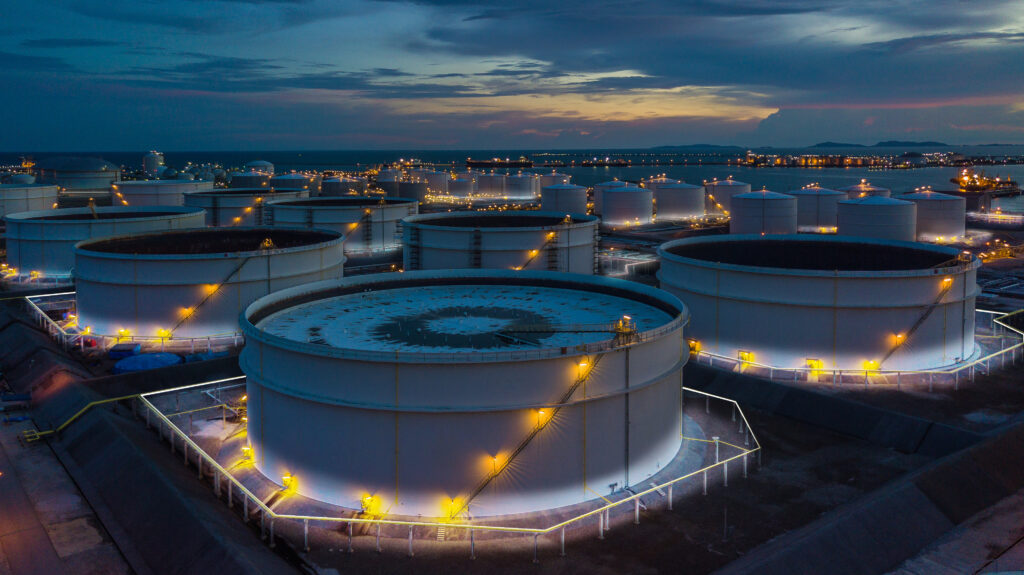
The Shocking Truth About Your Current Lighting System
Here’s something that might surprise you: that expensive explosion-proof lighting system you installed last year? It’s probably putting your workers at risk.
I know what you’re thinking. “But we followed all the regulations!” Sure, you did. But here’s the thing most facility managers don’t realize: meeting minimum safety standards and achieving optimal safety are two completely different things.
Your current lighting setup might pass inspections, but is it actually protecting your people? More importantly, is it costing you a fortune in energy bills and maintenance calls? The answer to both questions is likely no and yes.
Key Insights You’ll Discover:
• Why traditional explosion-proof lighting creates hidden safety risks
• The specific LED strip technologies that outperform conventional systems
• Advanced installation strategies that slash your maintenance costs by 80%
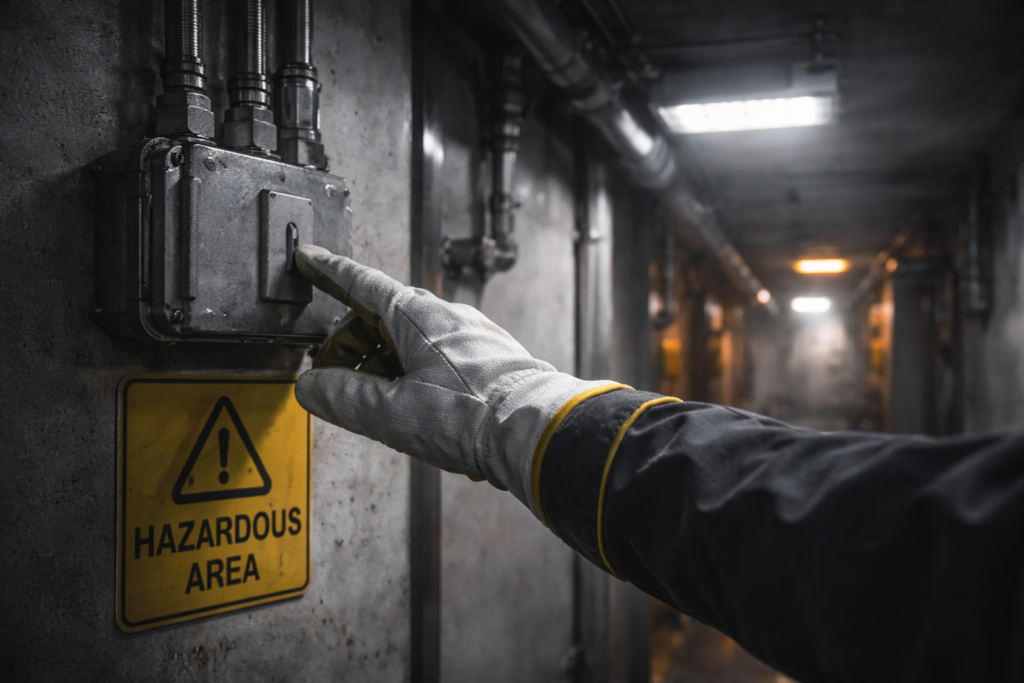
The Hidden Dangers Lurking in Your “Safe” Lighting
Your traditional explosion-proof fixtures are working against you in ways you never imagined.
Those metal halide and fluorescent systems generate surface temperatures reaching 200°F. In a facility where hydrocarbon vapors are present, that’s like keeping a hot plate running 24/7. Sure, the enclosure contains explosions, but prevention beats containment every time.
Here’s what’s really happening: your current lights are creating micro-climates of heat that increase vapor pressure in surrounding areas. This means higher concentrations of flammable gases exactly where your workers spend their time.
The Temperature Trap Analysis:
| Lighting Type | Surface Temp | Vapor Pressure Impact | Ignition Risk Level |
| Metal Halide | 180-220°F | High (+40%) | Elevated |
| Fluorescent | 140-160°F | Moderate (+25%) | Standard |
| Explosion-Proof LED Strips | 80-100°F | Low (-15%) | Minimal |
Action Step: Walk your facility right now. Touch the housing of your current fixtures (carefully). Feel that heat? That’s energy waste and safety risk combined.
Why LED Strip Technology Changes Everything
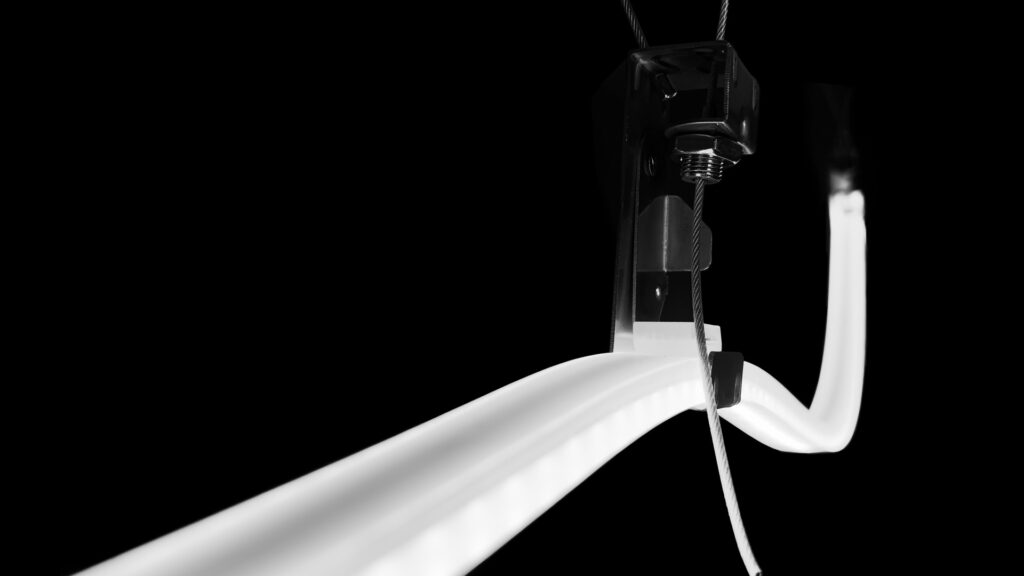
Explosion-proof LED strips aren’t just another lighting option. They’re a complete paradigm shift.
The secret lies in thermal management and distributed lighting design. Instead of concentrating heat in single point sources, LED strips distribute light and heat across linear surfaces. This creates uniform illumination without dangerous hot spots.
But here’s the advanced strategy most engineers miss: thermal derating for extended life cycles.
The Certification Game: Advanced Compliance Strategies
Most facilities stop at basic ATEX or UL certification. Big mistake.
Smart facility managers are now pursuing multi-standard certification strategies that provide global flexibility and insurance advantages.
Advanced Certification Matrix:
| Standard | Geographic Scope | Insurance Benefit | Operational Advantage |
| ATEX | EU/Global Export | 15% reduction | Standardized procurement |
| IECEx | International | 10% reduction | Single audit process |
| UL 844 | North America | 5% reduction | Faster approvals |
| Triple Certified | Global | 25% reduction | Maximum flexibility |
Implementation Strategy:
● Audit your current certifications: What gaps exist for future expansion?
● Calculate insurance savings: Request quotes based on enhanced certification
● Negotiate with suppliers: Demand multi-standard options at single-standard pricing
● Document everything: Create certification libraries for easy inspector access
Your Next Steps Start Today
The data is clear. The technology is proven. The question isn’t whether explosion-proof LED strips will transform your facility’s safety and economics. The question is whether you’ll lead the change or follow it.
Your workers deserve better than “good enough” lighting that meets minimum standards while burning through your maintenance budget. They deserve illumination systems designed for the realities of modern oil and gas operations.
Your Action Plan:
1. Conduct the temperature audit: Document current fixture surface temperatures
2. Calculate your real costs: Use the frameworks provided to build your business case
3. Request demonstration units: See the technology in action in your environment
4. Start with a pilot project: Choose one area for initial implementation and measurement
Ready to transform your facility’s lighting strategy? Contact certified explosion-proof lighting specialists who understand the unique challenges of your operations. Your safety record, your workers, and your bottom line are waiting.